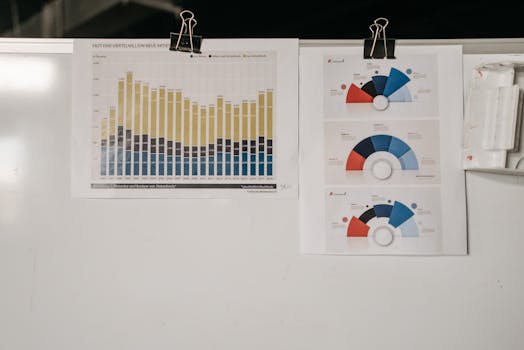
Harnessing the Power of Infographic Newsletters: Transforming Brand Communication
Email marketing is an ever-evolving landscape, and one of its most dynamic frontiers is the integration of infographics within newsletters. As attention spans dwindle—recent studies by Microsoft indicate the average adult’s attention span is just eight seconds—marketers and creators must find innovative ways to break through the noise. Enter the infographic newsletter: a format that fuses data-driven storytelling, visual design, and concise communication to create engaging, memorable emails that drive results.
From boosting open rates to increasing shareability, infographic newsletters present a fresh approach to audience engagement. In this article, we’ll explore how brands and creators can leverage infographic newsletters to enhance communication, showcase data, and foster stronger connections with subscribers.
What Are Infographic Newsletters and Why Do They Work?
Infographic newsletters combine the familiar structure of an email campaign with the compelling visual storytelling of infographics. Unlike traditional newsletters, which rely heavily on text and static images, infographic newsletters use design elements—charts, icons, timelines, and illustrations—to present complex information in a digestible, visually appealing format.
.png)
Why do they work so well? The answer lies in how the human brain processes information. According to research by 3M Corporation, visuals are processed 60,000 times faster than text. Additionally, studies show that people retain 65% of visual content after three days, compared to just 10-20% of textual information. By transforming key messages and data points into engaging visuals, infographic newsletters make it easier for readers to understand and remember your content.
Infographic newsletters are particularly effective for: - Summarizing reports, surveys, or case studies - Showcasing product features or comparisons - Telling a brand story or outlining a process - Highlighting milestones, achievements, or event recapsThe Business Impact: Numbers Behind Infographic Email Success
The rise of infographic newsletters isn’t just a creative trend—it’s backed by compelling numbers. Here are some data points that underscore their impact:
- Emails with visuals have a 42% higher click-through rate than those without, according to HubSpot’s 2023 Email Engagement Report. - Infographics can increase web traffic by up to 12%, as reported by Demand Gen Report. - Social sharing of infographic-based content is three times higher compared to articles with only text or standard images, based on a study by NN Group.These figures translate into tangible business outcomes: improved engagement, more conversions, and increased brand loyalty. For example, SaaS company Litmus reported a 21% lift in subscriber engagement after switching their monthly campaigns to infographic-focused newsletters, while a nonprofit organization saw a 30% increase in donations after visualizing their annual impact statement as an infographic email.
Design Principles for Effective Infographic Newsletters
Creating a compelling infographic newsletter goes beyond simply adding a few icons or charts. Effective design requires a blend of storytelling, usability, and brand consistency. Here are key principles to follow:
1. $1: Organize information in a clear, logical sequence. Use headings, subheadings, and section dividers to guide the reader’s eyes through the content. 2. $1: Prioritize clarity and conciseness. Infographics are most effective when they distill complex ideas into easily digestible visuals and short text blocks. 3. $1: Incorporate your brand’s colors, fonts, and visual style for a cohesive look that reinforces brand identity. 4. $1: Over 60% of emails are opened on mobile devices (Litmus, 2024). Ensure your infographic scales responsively and remains legible on smaller screens. 5. $1: Use high-contrast colors, legible fonts, and alt text for key visual elements to ensure your newsletters are accessible to all subscribers. 6. $1: Place prominent CTAs within the infographic itself. Buttons, arrows, and interactive elements can drive readers directly to your desired landing pages.Infographic Newsletter Use Cases: Real-World Examples
To illustrate the versatility and impact of infographic newsletters, let’s look at a few real-world scenarios:
1. $1: SaaS and e-commerce brands use infographic newsletters to present monthly stats—such as sales growth, customer acquisition, and user activity—making it easy for stakeholders and customers to grasp key metrics at a glance. 2. $1: Health and wellness brands, like Headspace, have created infographic newsletters that break down complex wellness tips and scientific findings into “snackable” visual guides. 3. $1: After a major event or webinar, organizations such as TEDx send infographic newsletters summarizing key takeaways, speaker highlights, and audience stats. 4. $1: Tech companies often unveil new features or releases through infographic newsletters, using step-by-step visuals and comparison charts to highlight benefits.Here’s a comparison table showing how infographic newsletters stack up against traditional newsletters:
| Feature | Infographic Newsletter | Traditional Newsletter |
|---|---|---|
| Visual Engagement | High—visuals drive attention | Medium—mostly text-based |
| Information Retention | 65% after 3 days (visuals) | 10-20% after 3 days (text) |
| Click-Through Rate | Up to 42% higher | Baseline |
| Shareability | 3x more likely to be shared | Lower |
| Mobile Friendliness | Requires responsive design | Usually mobile-ready |
Tools and Resources for Creating Infographic Newsletters
You don’t need to be a professional designer to create stunning infographic newsletters. A range of tools and platforms make it accessible for marketers and creators at any skill level:
- $1: Offers dozens of infographic templates tailored for email use, with drag-and-drop functionality. - $1: Specializes in data visualization and infographic design with easy export options for email campaigns. - $1: Known for its intuitive interface and robust charting capabilities, ideal for turning data into visuals. - $1: Leading email platforms now support embedded infographics and custom-coded visuals within email templates. - $1: Provides pre-made layouts and design assets suitable for professional-looking visuals.When integrating infographics into emails, ensure the images are optimized for fast loading (under 1MB when possible), and test across devices and email clients to avoid display issues.
Measuring the Success of Your Infographic Newsletters
Like any marketing tactic, the effectiveness of infographic newsletters should be measured and refined over time. Key performance indicators (KPIs) include:
- $1: While largely driven by subject lines, visually compelling newsletters often boost curiosity and repeat engagement. - $1: This is the most direct measure of infographic effectiveness—are readers engaging with your CTAs and links? - $1: Email platforms like Litmus and Mailchimp can track how long subscribers spend with your content; longer times may indicate higher engagement with visuals. - $1: Infographics are inherently more shareable, so monitor how often your emails are forwarded or shared on social media. - $1: Track the percentage of readers who take desired actions—signing up, making a purchase, or downloading a resource.Case Study Example: A retail brand that transitioned to infographic newsletters saw a 35% increase in time spent per email and a 50% growth in social shares within three months.
Infographic Newsletters: The Future of Email Storytelling
Infographic newsletters are more than a design trend—they represent a shift toward smarter, more engaging brand storytelling in the inbox. As audiences demand content that’s both informative and visually appealing, marketers and creators who embrace this format stand to gain a competitive edge.
By leveraging data-driven visuals, clear messaging, and effective calls-to-action, infographic newsletters can transform how brands communicate complex ideas and connect with their audience. The key is to focus on value, clarity, and design excellence—ensuring every email delivers a visually rich, memorable experience.